
Balance Isn’t a Destination
A Founder’s New Year Note on Structure, Motherhood, and Opening in 2026

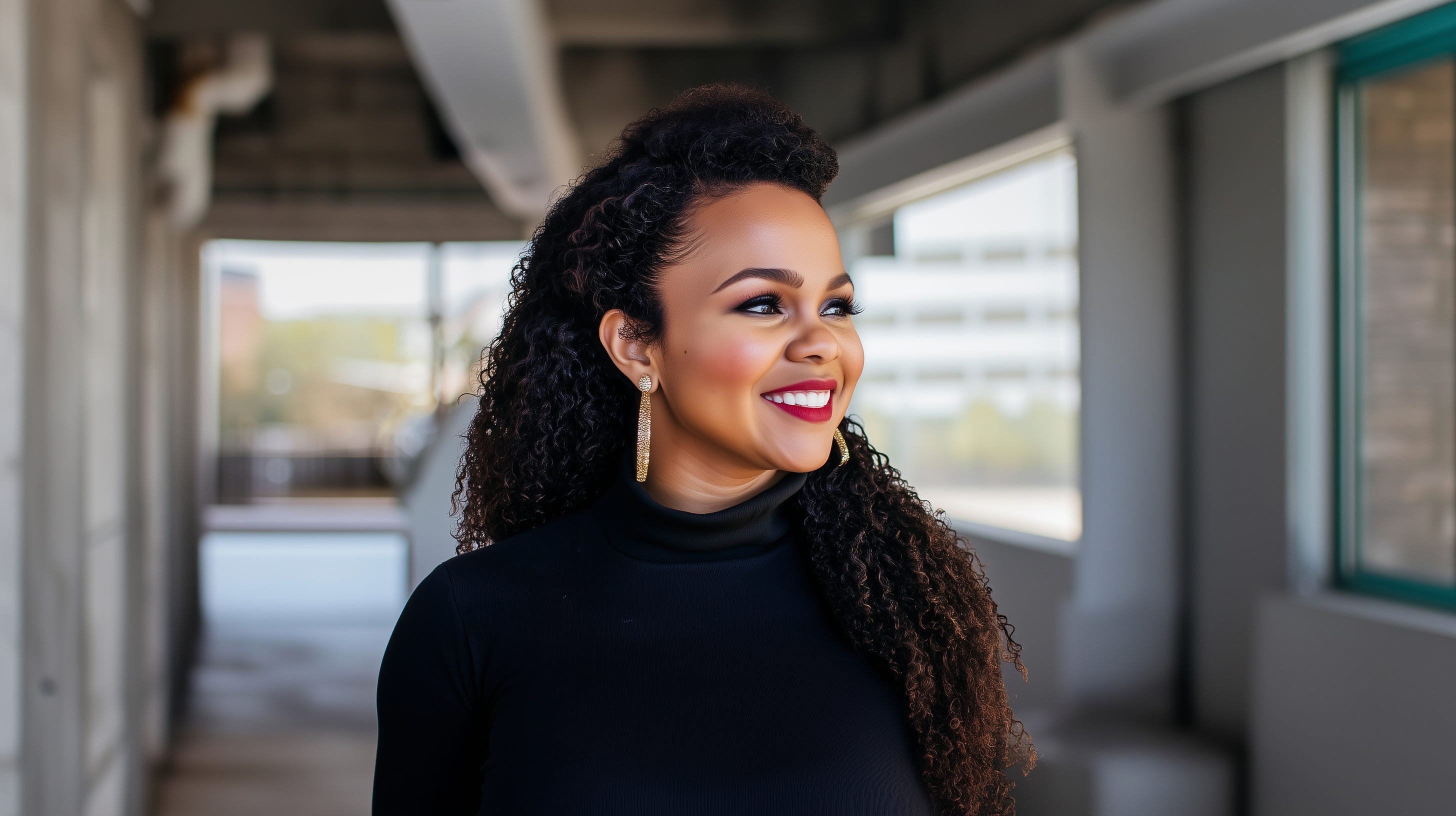
A founder’s New Year note on leadership, motherhood, and building a care model with a different moral center.
In 2025, I learned that “balance” is not a destination. It’s a negotiation you return to, daily—sometimes hourly—with the same seriousness you bring to any other high-stakes decision.
This year held both the kind of wins you pray for and the kind of weight you don’t advertise.
There were moments when the work moved because I moved—because I pushed, because I kept showing up, because I kept deciding. And there were moments when it felt like I was carrying a whole system on my back: the company, the vision, the people, the logistics, the relationships, the unseen labor of making something coherent when it wants to splinter.
Running a team is its own kind of intimacy.
You’re responsible for outcomes, but you’re also responsible for morale. You hold the standards, but you also hold people. You become the place where uncertainty lands. And if you care deeply, you don’t get to pretend it doesn’t cost you anything.
This year taught me that leadership isn’t only strategy. It’s also containment. It’s knowing when to be tender and when to be firm, when to protect the mission from chaos, and when to protect the people from the mission. It’s learning—again—that clarity is kindness, and that boundaries are not betrayal. They are structure. They are oxygen.
As a female entrepreneur, that structure is constantly tested.
You can feel the cultural expectation to be endlessly accommodating—flexible, warm, grateful, agreeable. Even when you’re building something that requires precision. Even when the stakes are real. Even when you are tired.
As a Black woman, the tests are different, and they’re relentless.
The room often wants you to be exceptional and nonthreatening at the same time. It wants you to be brilliant but not too certain, ambitious but not too direct, resilient but not too honest about what that resilience costs.
You learn to carry yourself like your credibility can’t slip for a second. You learn how to survive being misread.
And as a mother, you learn that the world will never fully respect the fact that you are doing two sacred jobs at once.
Motherhood is not simply “another role.” It’s a recalibration of time itself.
Motherhood can make you more efficient, yes—but it also makes your margin thinner. It makes your heart tender in a way the world can exploit if you let it. It makes you acutely aware of what matters, and acutely intolerant of what doesn’t.
There were days this year when I felt in sync: building, mothering, leading, writing, making decisions that held.
And there were days when I felt like I was failing in all directions at once—when the tradeoffs were too sharp, when the bandwidth wasn’t there, when the emotional labor of managing both home and company pressed down on me.
I don’t say that for sympathy. I say it because it’s true, and because the truth is part of the point.
The myth is that the people building the future are somehow free from the mess of being human.
The reality is the opposite: the future gets built by people who learn how to keep building anyway—while tired, while grieving, while parenting, while carrying the extra weight of identity in a world that insists on making it heavier.
If 2025 taught me anything, it’s that I can’t afford to build from constant depletion. Not if I want what we’re building to last.
So my intention for 2026 is not more hustle, it’s more alignment.
More compounding, less scrambling.
More systems that can hold the mission without requiring my nervous system as the glue.
More writing that clarifies what I believe, so I’m not re-litigating my values every time the world tries to pressure me into smaller decisions.
More structure around my time, so my children get the best of me—not the leftovers.
And that brings me to what I’m most focused on now: Diosa Ara.
In 2026, we open.
Not as a concept. Not as an idea. Not as a brand. We open as a practice.
Diosa Ara is a private practice, but the thing I’m building is not “private” in spirit. I’m not interested in creating another polished clinic that quietly reproduces the same harms with better lighting. I’m building a care model with a different moral center: clinical rigor, ethical clarity, and a patient experience that doesn’t require suffering to be taken seriously.
Labora Collective is the medical community around that practice.
It’s where we build the language for what better care looks like, where we share the standards behind our decisions, and where we open select pilot programs as we test new ways of delivering care.
If you’ve ever wanted to tell your doctor what to do differently—what to explain, what to stop dismissing, what to redesign—this is where that becomes possible in a real, structured way.
2026 is not the year I pretend I can do everything.
It’s the year I do the right things—on purpose.
It’s the year I build the systems that match the mission.
It’s the year I open the doors.
Happy New Year.
—YC